Biology: The Foundation
to Results
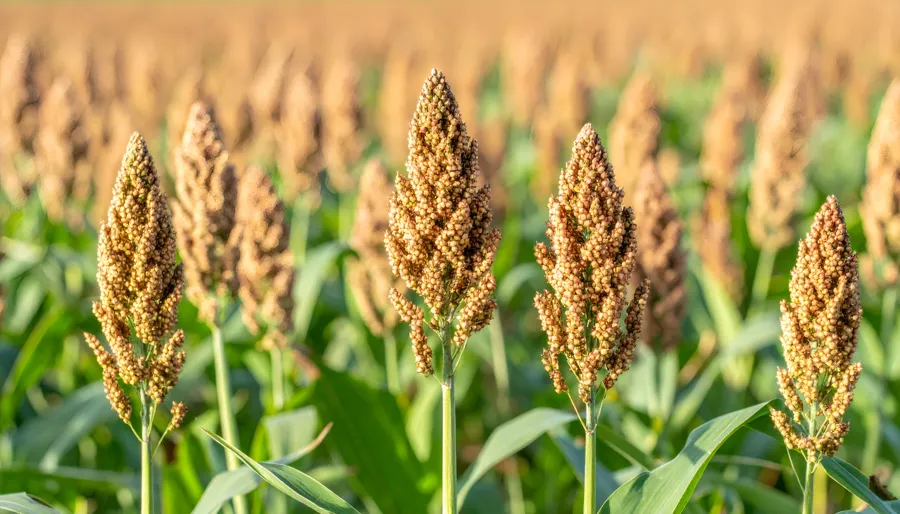
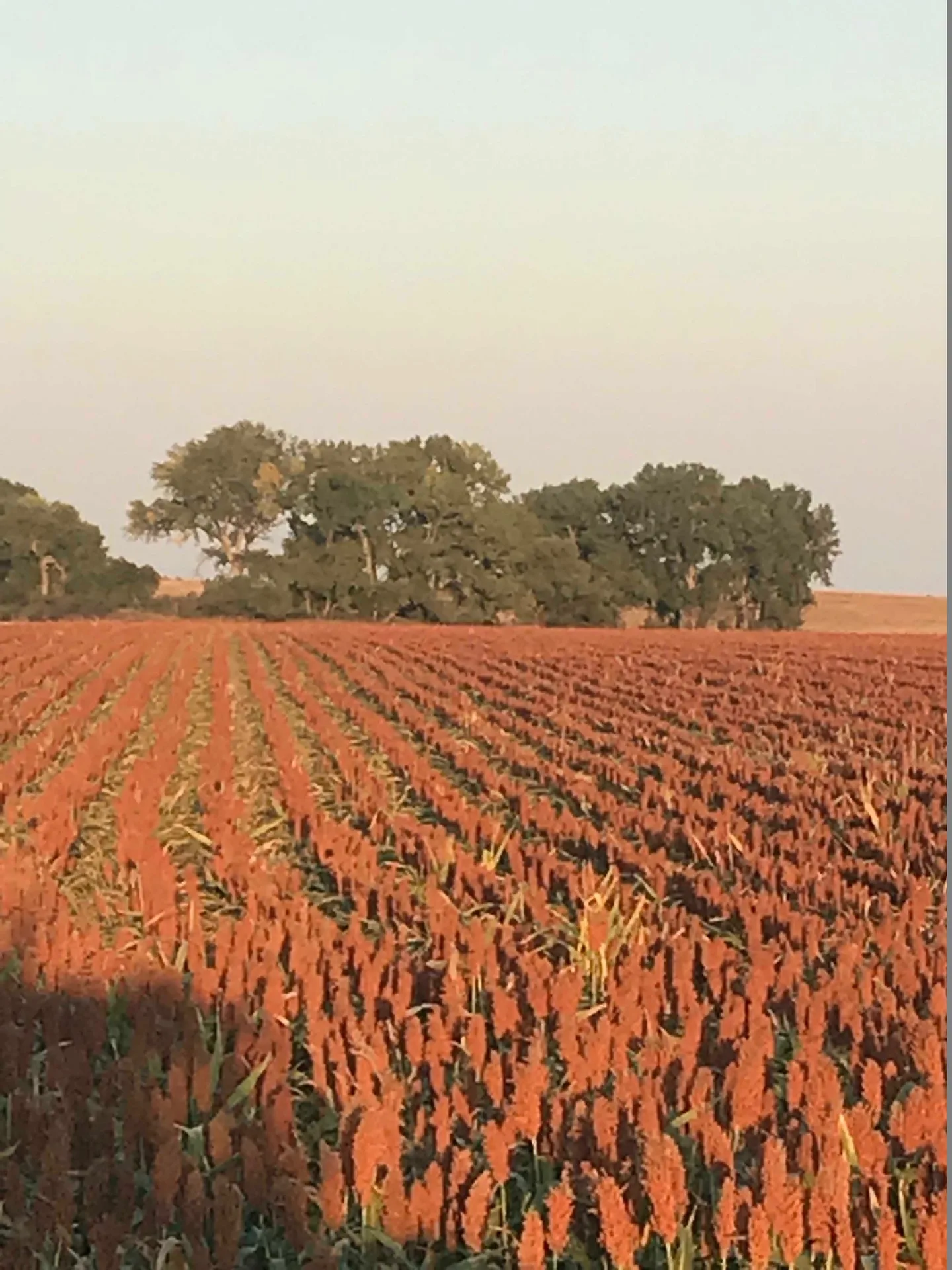
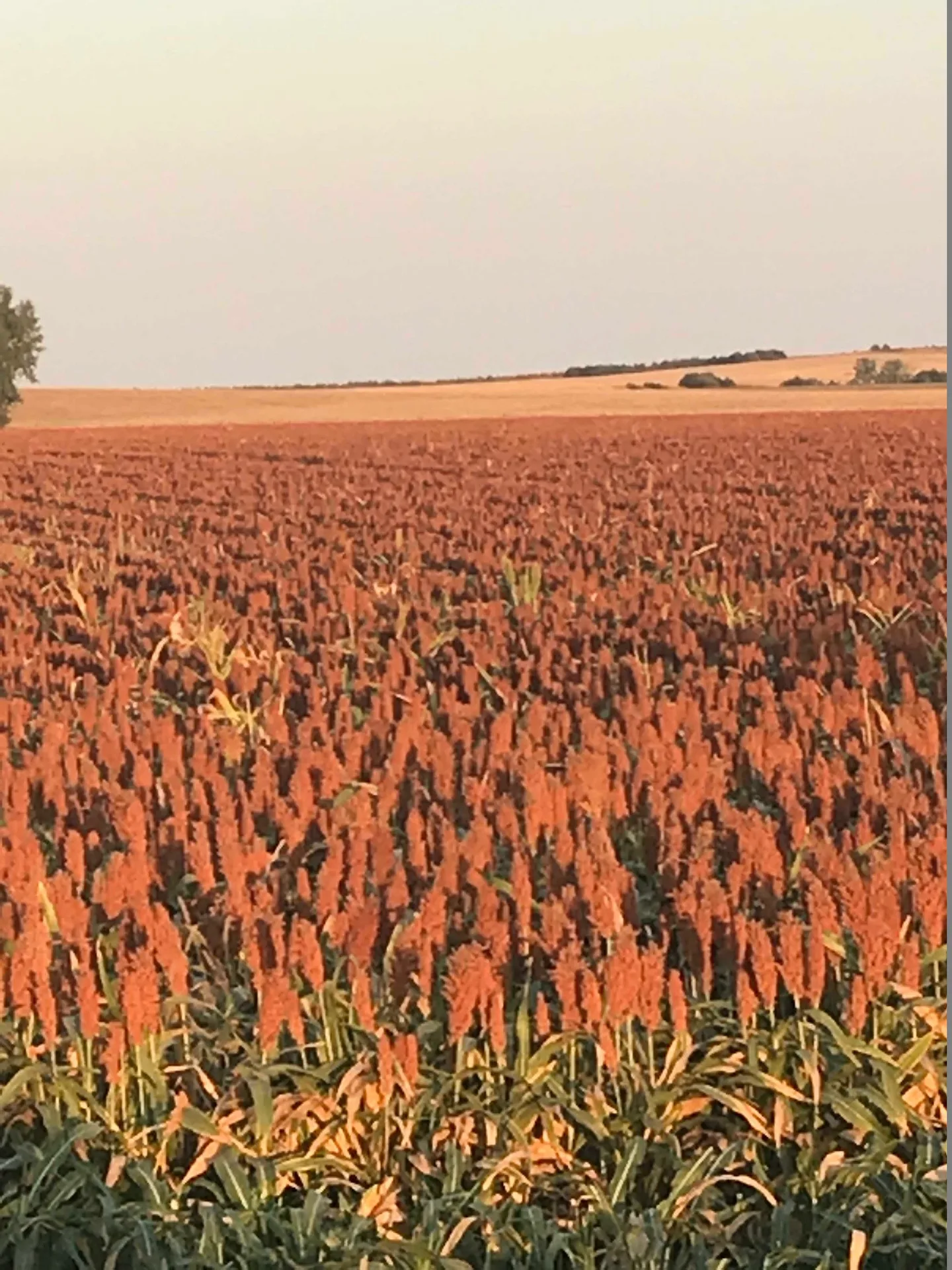
Milo (grain sorghum) is one of the most drought-tolerant crops grown across the Plains, but drought tolerance does not mean drought indifference. Under heat and moisture stress, which define a typical milo growing season across the Northern Plains, the plant's ability to push the head through the boot, maintain grain fill, and achieve consistent test weight depends heavily on its biological and nutritional environment.
The ISS Milo Program mirrors the corn program in structure but is calibrated to sorghum's specific timing and physiology. Milo's critical nutrient demand period occurs earlier relative to growing degree units than corn, meaning early-season foliar applications from V3 to V6 carry outsized influence over head size, grain number, and ultimately yield. Missing this window is one of the most common reasons milo underperforms its yield potential in an otherwise adequate growing season.
The Right Nutrients,
at the Right Time
In-furrow biology at planting establishes the root-zone ecosystem before stress arrives. Originate ST seed treatment and SG 7-25-5 starter place biology and immediately available phosphorus directly in the seed zone, promoting rapid germination and aggressive early root growth. A deep, biologically active root system is milo's primary defense against heat and drought. The program builds that system from day one.
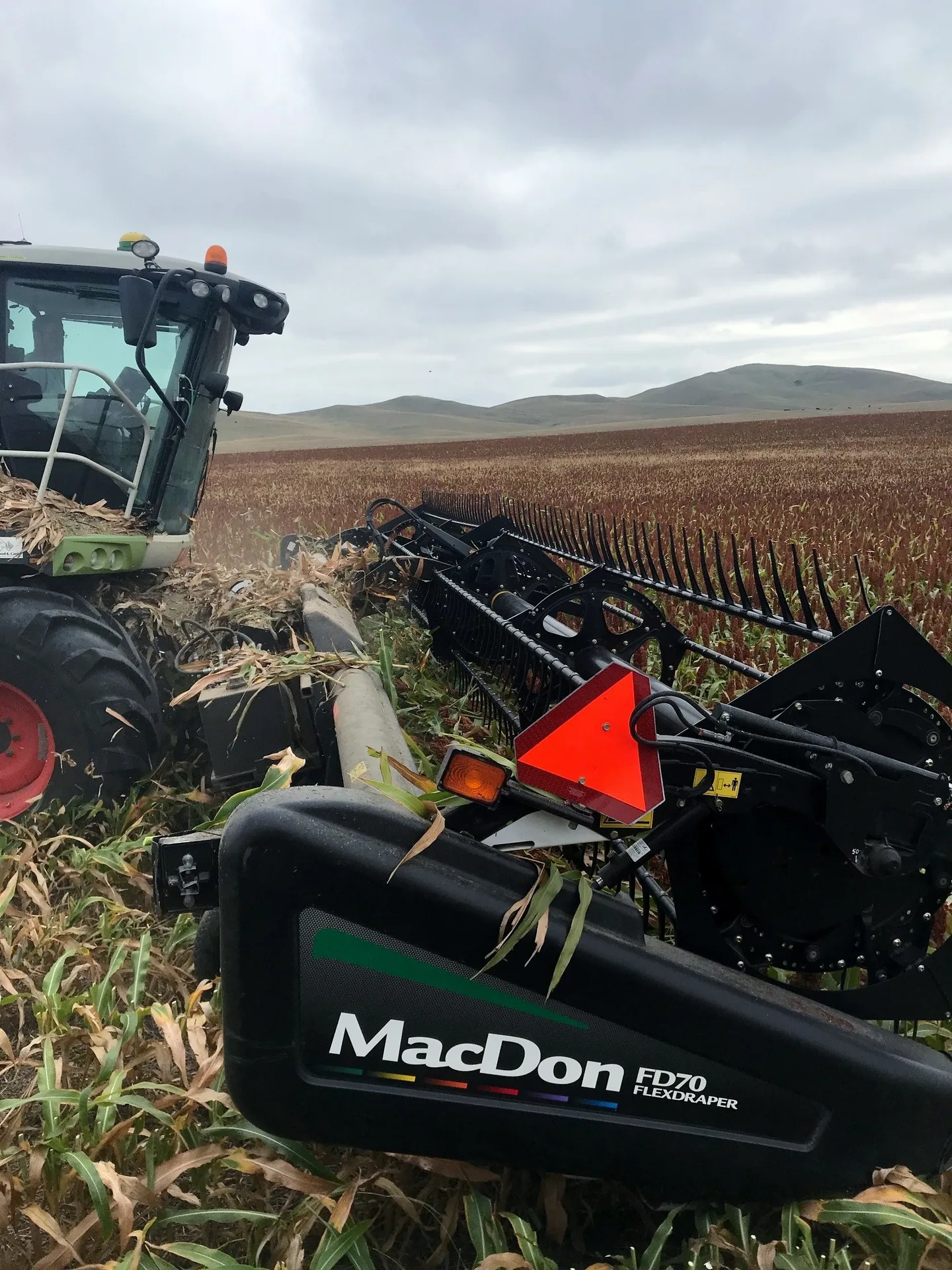
Standability is a particular challenge in grain sorghum at harvest. Root mass and stalk integrity, both of which respond to the ISS foliar program, directly affect harvestability and the logistics of a smooth harvest operation. The Row Crop Blend and SG ReLEAF applied in early vegetative stages have consistently shown benefits to stalk strength and standability in ISS trial plots, reducing lodging risk even in late-season wind events.
What the Program Delivers
Drought Tolerance
In-furrow biology builds a deep, active root system that accesses subsoil moisture more effectively during dry stretches.
Head Exertion
Early foliar applications timed to milo's critical window improve head emergence from the boot and head size.
Improved Standability
Micronutrient and bio-stimulant foliar passes build stalk integrity and reduce lodging risk at harvest.
Grain Quality
Sustained nutrition through grain fill improves test weight and overall grain quality.
"The biology goes in first, and the results shows up at harvest."
— ISS Agronomist
Program Phases & Products
Each phase layers onto the previous, building a complete biological and nutritional system from planting through the season.
Pre-Plant / Residue
Microbial and enzymatic residue decomposer. Breaks down sorghum stubble, releases tied-up nutrients, and feeds soil biology before planting. Applied to residue or with pre-emergence herbicides.
In-Furrow at Planting
Low-salt liquid starter (7-25-5 N-P-K) providing immediately available phosphorus in the seed zone. Safe on seed, promotes fast emergence and early root development.
Biological seed treatment establishing a growth-promoting microbial consortium in the seed zone from day one. Drives vigorous germination and root development in milo's often warm, dry planting conditions.
Carbon and energy source that sustains soil microbiology and maximizes root growth. Builds the biological root-zone infrastructure milo needs to access subsoil moisture through the growing season.
Early Foliar
Row Crop Blend
Proprietary micronutrient, sugar, stress-relief, and bio-stimulant blend. Addresses milo's early-season micronutrient demand window when head size and grain number are being determined.
Plant-based amino acid nitrogen in an 8-0-0 liquid formula. Supports efficient foliar nitrogen delivery during early crop growth.
Chelated micronutrient blend (B, Cu, Fe, Mn, Zn, Mo, Co). Chelated form ensures uptake even under the warm, dry soil conditions common during milo's vegetative stages.
Multi-mode stress mitigation product containing compounds that increase intracellular CO₂ and buffer the plant against heat and drought. Improves stalk integrity and standability when applied in early vegetative stages.
Photosynthesis-enhancing organic acid, sugar, and carbon compound blend. Maximizes energy production during the rapid-growth vegetative phase and heading period.