Biology: The Foundation
to Results
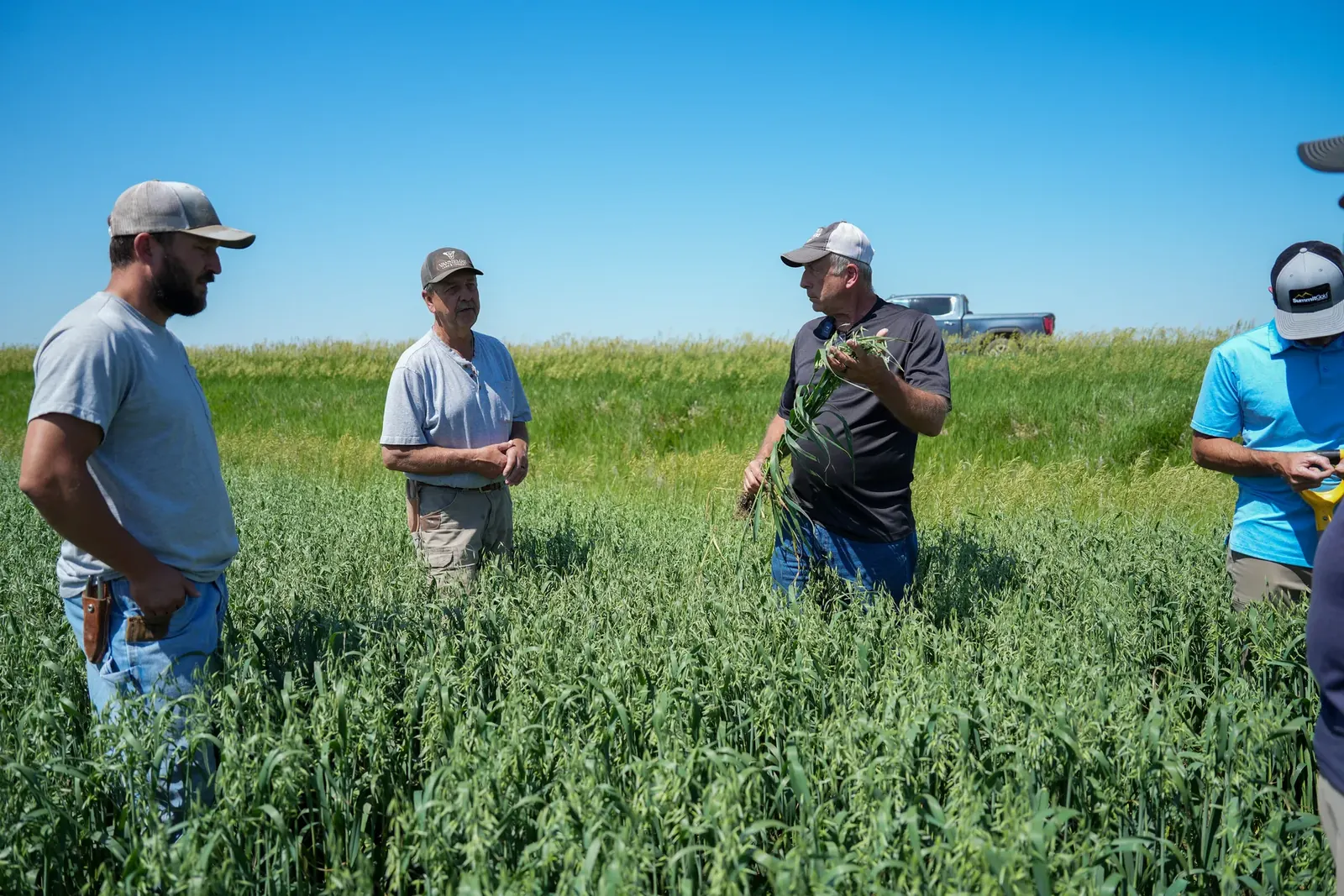
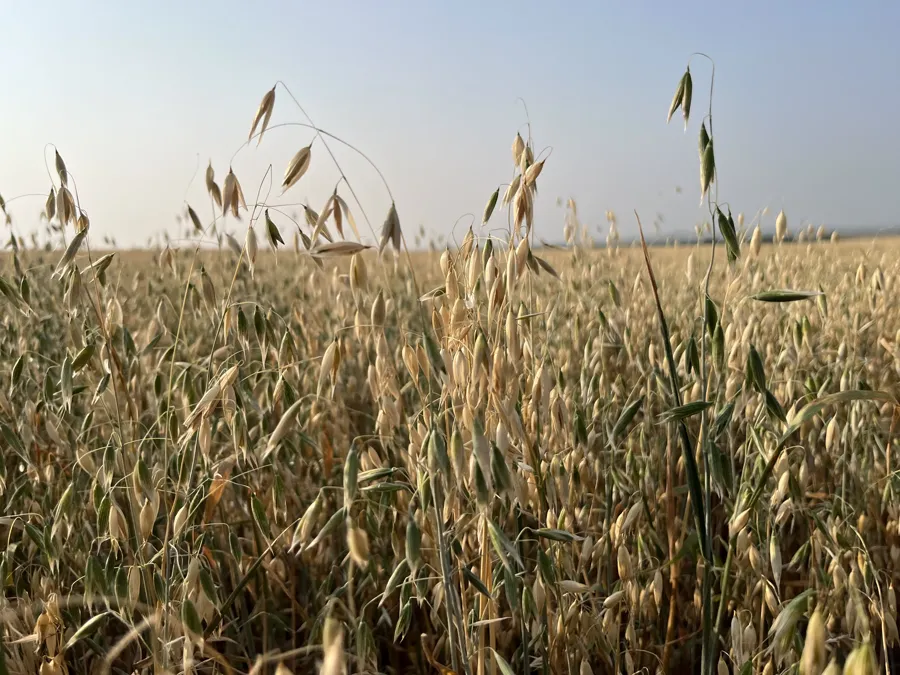
Small grains are among the earliest-planted and earliest-maturing crops in the Northern Plains region. They experience their most critical growth stages in some of the most variable weather windows of the year, which makes biological and nutritional support at the right timing especially important. The ISS Small Grains Program front-loads biology at planting and targets a focused foliar application to the most yield-determining stages.
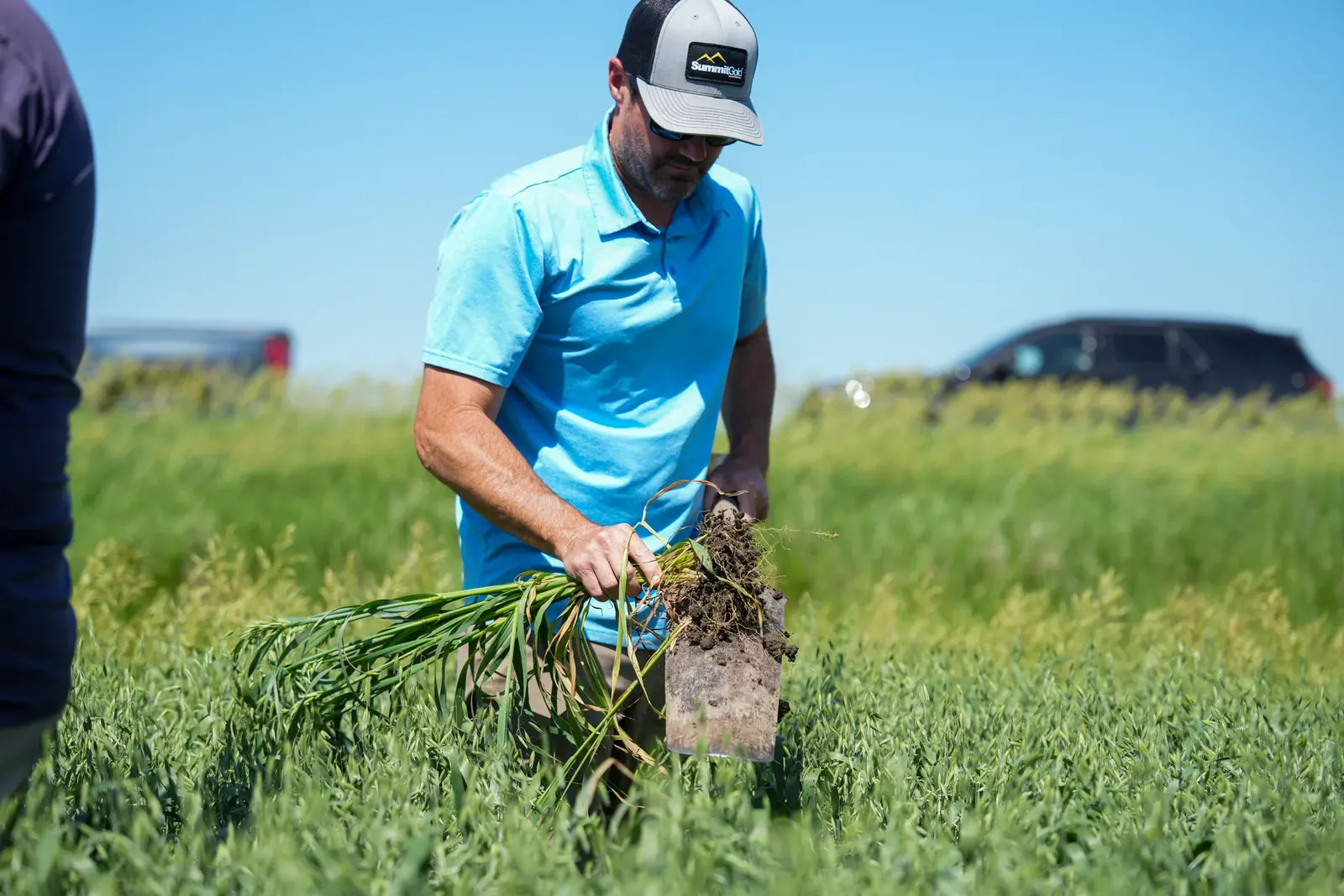
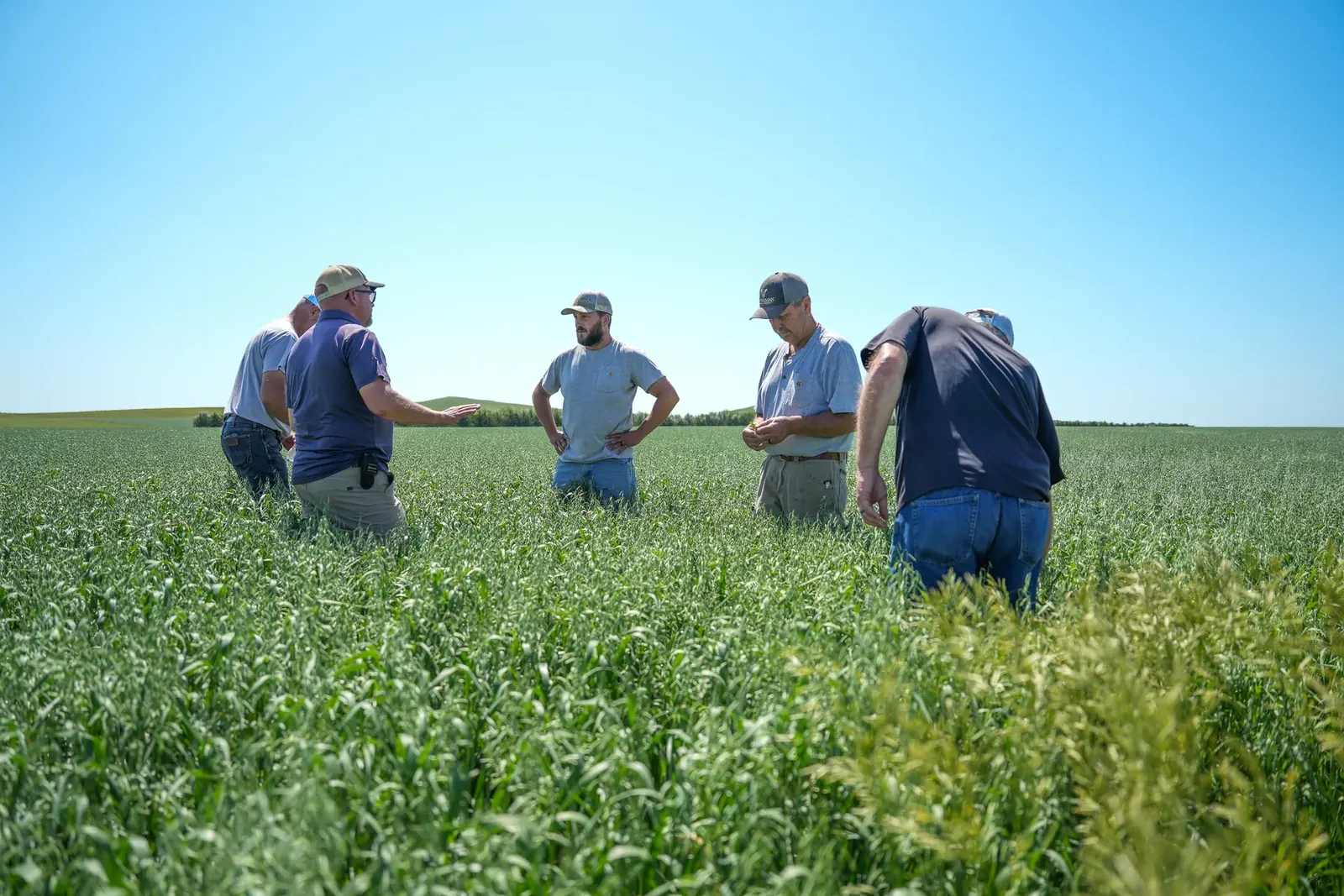
Tillering is the primary yield component in small grains. Each additional productive tiller contributes directly to head count and bushel potential at harvest. The ISS in-furrow program places Originate ST seed treatment and SG 7-25-5 starter directly in the seed zone, establishing a biological and nutritional foundation that promotes uniform germination, aggressive tillering, and deep root development before the crop faces cold, wet, or dry-spring stress conditions.
The Right Nutrients,
at the Right Time
Head size, kernel count, and test weight are determined during a relatively brief window from tiller to flag leaf. This is the foliar application timing that has the highest return in small grains, a window that many producers skip because the logistics of getting into standing small grains can be challenging. ISS programs are designed to tank-mix with herbicide passes to maximize the efficiency of that trip across the field.
Disease resistance and straw strength are the third dimension of the ISS small grains approach. Straw integrity affects threshing efficiency, combines' ability to handle heavy straw loads, and the risk of lodging before harvest. Foliar micronutrients, particularly manganese for enzyme function, zinc for growth regulation, and boron for pollen viability, build the structural and metabolic foundation for a crop that can handle the mechanical stress of harvest and deliver consistent bushel weight.
What the Program Delivers
Uniform Tillering
In-furrow biology and starter fertilizer promote consistent, aggressive tillering — the single highest-leverage yield component in small grains.
Disease Resistance
Foliar micronutrients and bio-stimulants build plant immunity and reduce susceptibility to common small grain diseases.
Straw Strength
Chelated micronutrients improve structural integrity, reducing lodging risk and improving harvestability.
Yield Stability
Biological and foliar support maintain yield potential through the variable spring weather patterns common in the Northern Plains.
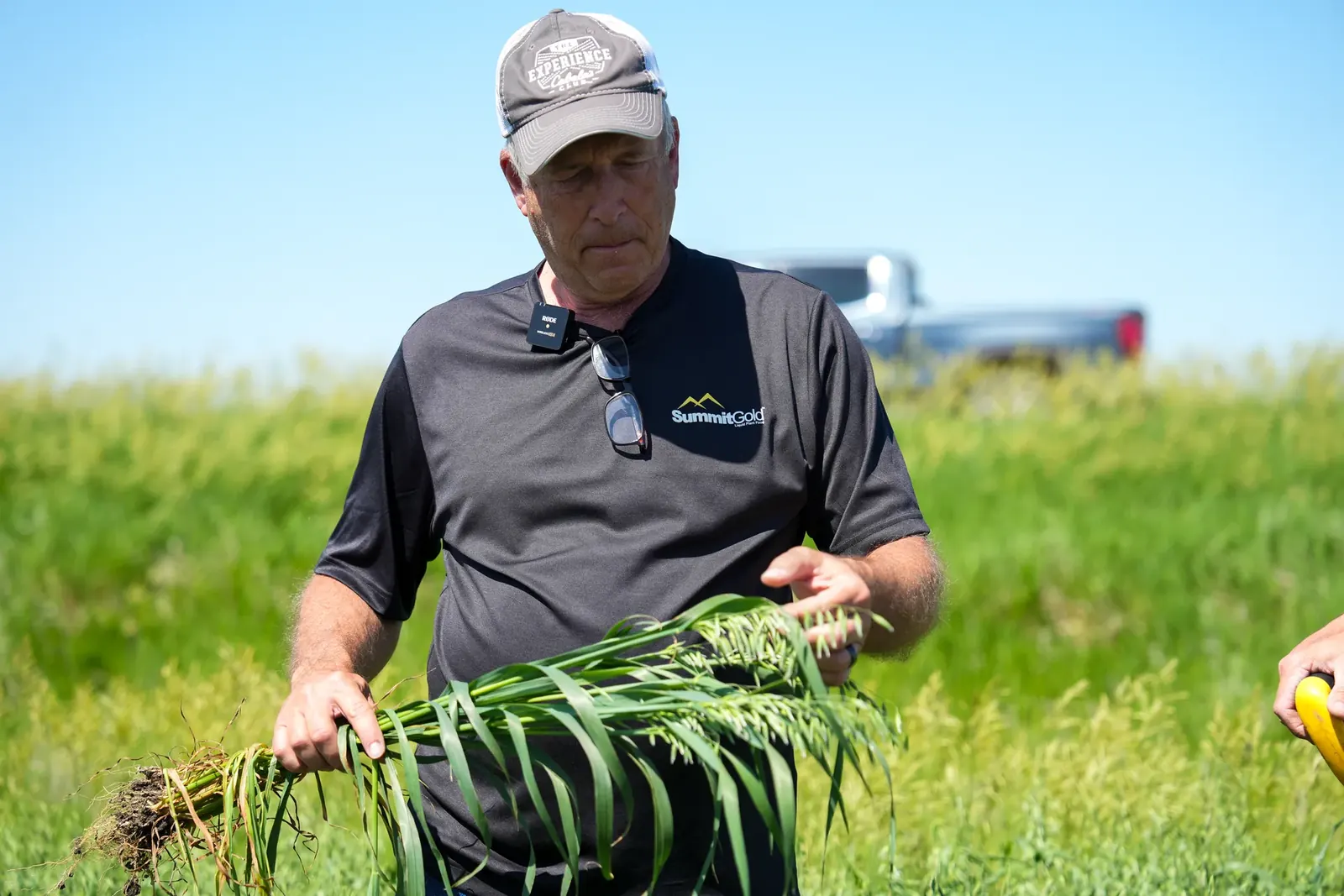
"The biology goes in first, and the results shows up at harvest."
— ISS Agronomist
Program Phases & Products
Each phase layers onto the previous, building a complete biological and nutritional system from planting through the season.
In-Furrow at Planting
Low-salt liquid starter (7-25-5 N-P-K) providing immediately available phosphorus at the seed zone. Drives fast, uniform emergence and early root development — critical before cold-weather slowdowns.
Biological seed treatment placing a growth-promoting microbial consortium in the seed zone at planting. Promotes vigorous germination, aggressive tillering, and robust root development ahead of winter dormancy or spring stress.
Beneficial microbe inoculant that builds microbial diversity in the rhizosphere and unlocks soil-bound nutrients for small grain roots.
Foliar Application
Row Crop Blend
Micronutrient, sugar, stress-relief, and bio-stimulant blend targeting the critical tiller-to-flag-leaf window. Addresses the micronutrient demand that determines head size, kernel number, and ultimate yield potential.
Plant-based amino acid nitrogen in an 8-0-0 liquid formula. Supports efficient foliar nitrogen delivery during the tiller-to-flag-leaf growth window.
Chelated micronutrient blend (B, Cu, Fe, Mn, Zn, Mo, Co). Manganese supports enzyme function and disease resistance; zinc regulates growth; boron is essential for pollen viability and grain set.
Multi-mode stress mitigation compound with intracellular CO₂-enhancing activity. Protects canopy function and photosynthetic capacity through the rapid-growth flag leaf to heading period.
Photosynthesis-enhancing energy formula containing organic acids, sugars, and N-K-Zn-carbon compounds. Maximizes grain fill rate and test weight during the condensed small grains fill period.