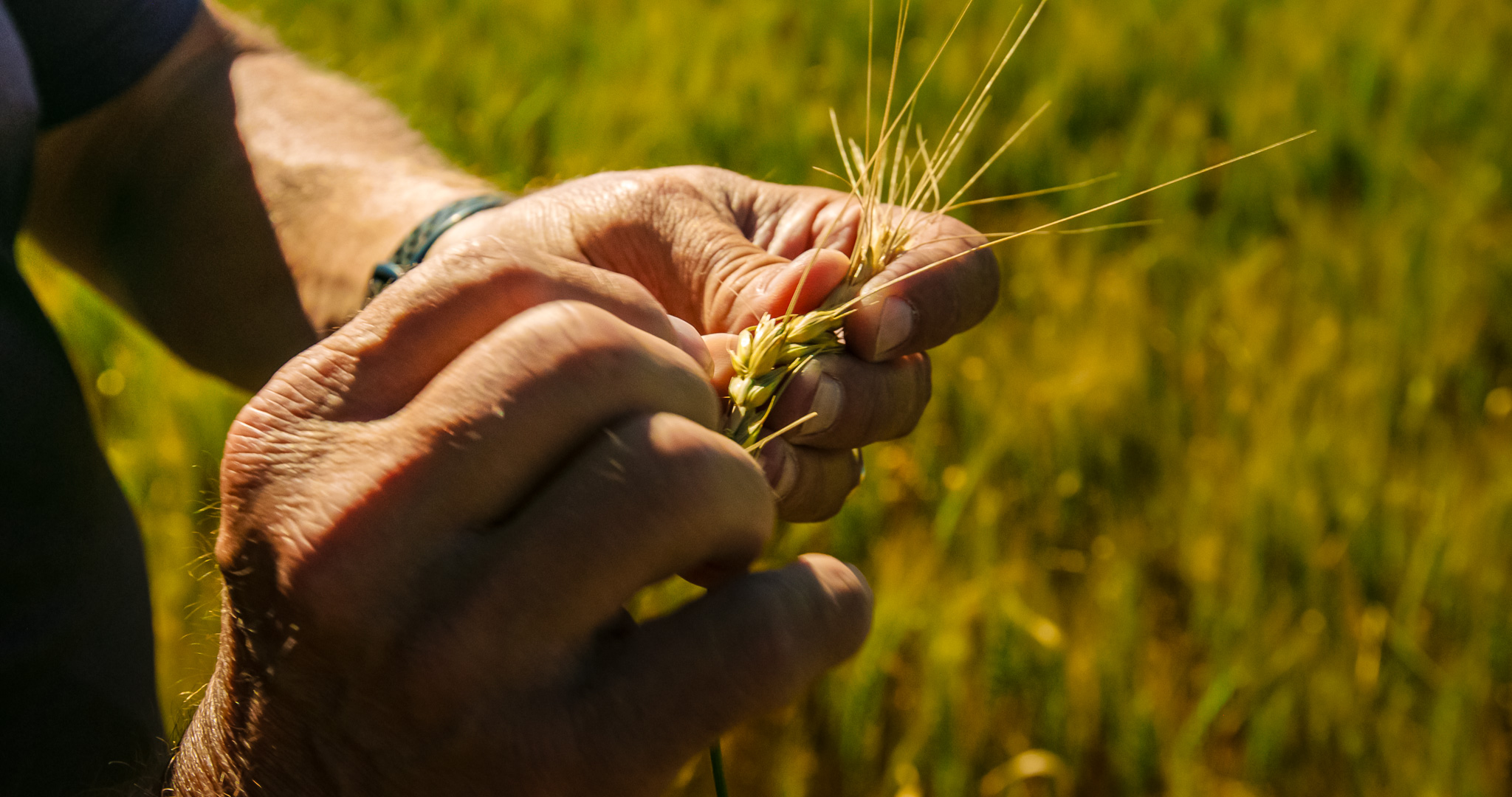
Farmer inspecting grain heads in the field

Field Notes

Updates, stories, and observations from the field. News from ISS, our dealers, and the producers we work with.
Livestock Integration in Practice: Getting Started, Timing, and What to Expect

July 31, 2026

Livestock Integration in Practice: Getting Started, Timing, and What to Expect

The actual driver of compaction isn't the animal. It's management. Concentrate too many cattle in one spot for too long, and problems show up on any soil. Intensify them into smaller paddocks and move them along, and they won't linger anywhere long enough to cause damage. That's a grazing plan issue, not a livestock issue.

Read More
Principle Five: Integrating Livestock, The Piece That Ties It Together

July 31, 2026

Principle Five: Integrating Livestock, The Piece That Ties It Together

Of all five principles, this is the one that ties the rest together. Soil armor, minimal disturbance, living roots, and diversity all move a system in the right direction on their own, but leave livestock out of the picture and each of those principles gets harder to sustain. Bring livestock in, and the rest starts falling into place almost automatically.

Read More
Principle Four: Diversity, Breaking the Monoculture Cycle

July 30, 2026

Principle Four: Diversity, Breaking the Monoculture Cycle

Of all five principles, diversity is probably the one that most closely mirrors what a native prairie has been doing for thousands of years without any help from us. That system has sustained itself because it’s built on a diverse set of plants: cool and warm season grasses, cool and warm season broadleaves, all intermingling at different points in the year. Some help each other, some don’t, but together they create a shifting environment for the microbes and insects living in that soil, one that’s continually rotating and staying healthy.

Read More
What Stresses a Root System + What Idle Soil Really Costs

July 30, 2026

What Stresses a Root System + What Idle Soil Really Costs

We spend a lot of time talking about what building a living root does for a soil system. It’s worth spending just as much time on what damages it, because most of it comes down to decisions we make without thinking twice.

Read More
Stretching the Living Root Window: How Our Rotation Is Built

July 30, 2026

Stretching the Living Root Window: How Our Rotation Is Built

Once you understand why a living root matters, the next question is practical: how do you actually keep one in the ground for as much of the year as possible? For us, it comes down to timing, and to a rotation built deliberately around it.

Read More
Principle Three: Maintaining a Living Root

July 30, 2026

Principle Three: Maintaining a Living Root

That root isn’t just there to anchor the plant or pull up water and nutrients. It’s exploring the soil for as far as it can reach, bartering sugars for nutrients, and building a home for the microbes that make the whole trade possible. The longer we can keep that system running in the soil, the livelier and healthier that soil becomes.

Read More
What Success Actually Looks Like: Organic Matter, Compaction, and the Payoff

July 30, 2026

What Success Actually Looks Like: Organic Matter, Compaction, and the Payoff

Here’s a number worth knowing: 85% of a plant’s biological activity happens in the top three inches of soil. That’s exactly the layer that gets burned up fastest by tillage, and it’s the layer soil armor is protecting. Your rotation, how you harvest, how much carbon you remove, and how heavily you graze all directly affect organic matter in that top layer.

Read More
Principle Two: Low Disturbance, Necessary vs. Habitual

July 30, 2026

Principle Two: Low Disturbance, Necessary vs. Habitual

The rule I run by: the lowest amount of disturbance is always better. Any disruption starts creating an imbalance somewhere in the system; the question is just whether the tradeoff is worth what you get out of it.

Read More
Principle One: Soil Armor, Why Bare Soil Is Bare Skin

July 6, 2026

Principle One: Soil Armor, Why Bare Soil Is Bare Skin

I can’t give you a clean ROI number for soil armor. There are too many variables. What I can tell you is what it buys you consistently: resilience. When the rain doesn’t come and the wind picks up, armored soil recovers faster once conditions turn back around.

Read More
What Soil Health Really Means to Me

July 6, 2026

What Soil Health Really Means to Me

People ask me to define soil health like there’s a tidy textbook answer. There isn’t. But if you want my definition, here it is: soil health is the continued capacity of that soil to sustain and progress biological life, plant life, animal life, and ultimately human life, and to do it in a way that’s sustainable and gets better over time, not worse.

Read More
Why We Started Ideal Soil Solutions

July 6, 2026

Why We Started Ideal Soil Solutions

What separates us is that we lead with the principles of soil health first, and the tools second. Those principles don’t change whether you’re growing corn, wheat, soybeans, orchards, vineyards, turf, golf courses, rangeland, or hayland. Anything with a plant and a root follows the same rules. Once you understand that, the tools you use to get there are just tools. The philosophy is what defines us from everybody else.

Read More
Drought Management With Soil Health in Mind

July 6, 2026

Drought Management With Soil Health in Mind

Rainfall is still the silver bullet. No management system replaces water. But how you've managed your soil before the drought hits determines how much time you buy yourself, and how fast your ground bounces back when the rain finally comes. That's the whole conversation.

Read More