July 31, 2026
Livestock Integration in Practice: Getting Started, Timing, and What to Expect
By Bryan Jorgensen, Visionary - Ideal Soil Solutions
The compaction myth
Ask most farmers why they won't put cattle on their crop ground, and compaction comes up first almost every time. It's a fear that runs deep, and the assumption is usually that a cow standing on a field will undo years of work.
In most cases, that fear doesn't hold up. A useful rule of thumb: if soil organic matter sits at 3 percent or higher and the ground isn't overly wet, compaction generally isn't a real concern. A healthy, living soil system behaves more like a sponge than a slab. It can carry far more traffic than most people assume, especially once real root structure and biology are built into it.
The actual driver of compaction isn't the animal. It's management. Concentrate too many cattle in one spot for too long, and problems show up on any soil. Intensify them into smaller paddocks and move them along, and they won't linger anywhere long enough to cause damage. That's a grazing plan issue, not a livestock issue.
Building a partnership with a neighbor
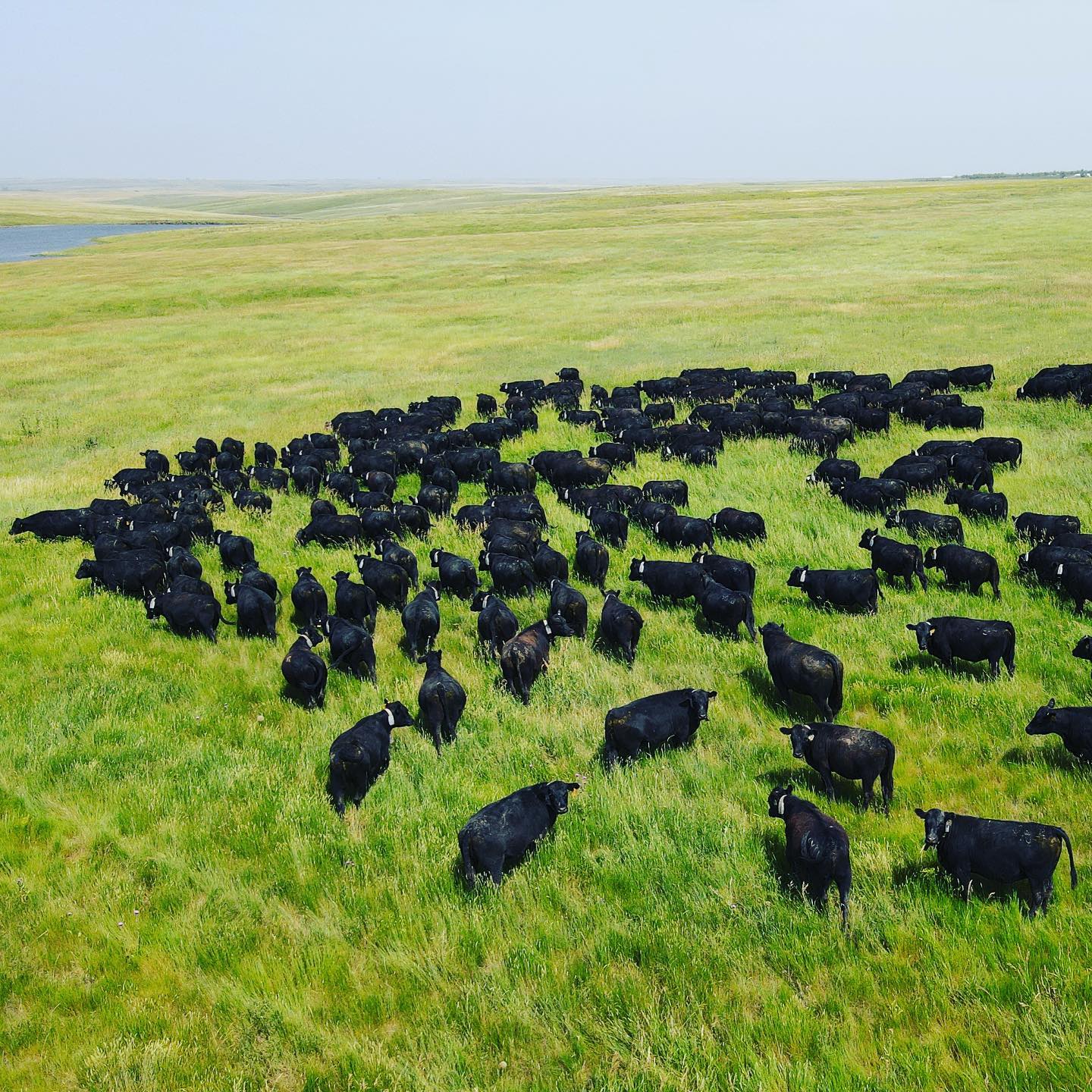
Owning cattle isn't a requirement for getting the benefit of livestock integration. Most crop farmers have a neighbor who runs cattle and is looking for a place to graze. Offering up fall residue, or planting a cover crop behind a cereal grain specifically to open a grazing window, is a low risk way to start.
The relationship matters more than the paperwork. A lawyer and a five page contract aren't necessary. What matters is a clear conversation about what both sides expect, followed by something as simple as an email laying it out. That single step prevents most of the headaches that come later.
Timing it around the rotation
Timing looks different depending on what's growing. A forage wheat planted in the fall can open a grazing window from late October through December, and sometimes again the following spring if moisture allows. A full season crop like corn or soybeans won't offer that same flexibility during the growing season, but a cover crop planted right behind harvest opens a fall grazing window on that same acre.
Handled well, a single acre can support two crops and multiple grazing opportunities in one year, a return most inputs can't match on their own.
The economics of grazing
The dollars make the case before the soil health benefit even enters the conversation. At Jorgensen Land & Cattle, grazing runs close to two dollars per head per day. Set that against the cost of feeding a processed feed source to the same animal, and the savings across a herd of any size add up fast. For a farmer without cattle, renting out that grazing window to someone who has them still puts income against ground that would otherwise sit idle after harvest.
What shows up, and when
The wait for results is shorter than most expect. Crops grown behind grazed ground tend to show more resilience right away, and that effect compounds the longer the practice continues. Organic matter gains from grazing have carried forward for years, sometimes decades, on ground that hasn't been grazed again since.
That's principle five, and it's the piece that makes the other four worth the effort. Imagination, not equipment or acreage, tends to be the real limiting factor. One field, one neighbor, and one season is enough to start.